Teddy Bear Baby First Christmas Illustrations Review
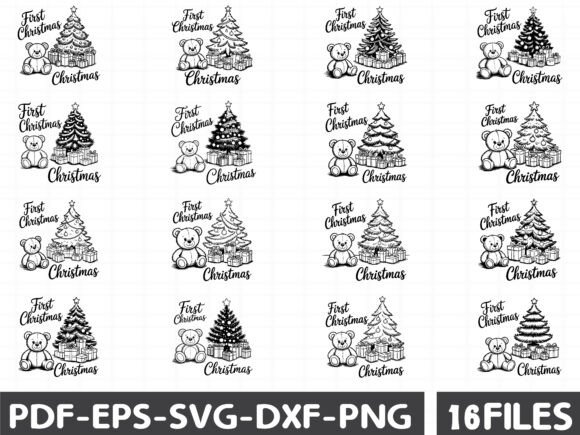
As a digital publisher who has spent years refining the visual identity of high-traffic blogs and editorial platforms, I approach every new graphic design asset with a critical eye. It is not enough for an image to be cute; it must perform. When I first loaded the files for Teddy Bear Baby First Christmas, my immediate impression was one of warm, nostalgic comfort mixed with professional polish. This is not merely a clipart collection; it is a cohesive set of Illustrations designed to evoke emotion while maintaining the clean lines necessary for modern web design.
The aesthetic leans heavily into a lifestyle-focused, seasonal mood. It feels playful yet sophisticated, avoiding the cluttered look that often plagues holiday graphics. For bloggers and content creators in the parenting, family lifestyle, or gift-guide niches, this asset creates an instant connection with readers. It signals warmth and tradition, which are powerful drivers for engagement during the fourth quarter. The soft textures and gentle color palette suggest a feminine, artistic touch that aligns perfectly with brands aiming for a trustworthy, approachable voice.
Integrating Assets into Real Publishing Workflows
In a real-world publishing scenario, versatility is king. I tested Teddy Bear Baby First Christmas across several key touchpoints in my content pipeline. The primary use case was for blog featured images. When placed alongside a headline about "Top Gifts for New Parents," the illustration provided a strong visual anchor without overpowering the text. The negative space within the design allowed for easy overlay of typography, a crucial feature for creating clickable Pinterest pin graphics.
Beyond standard blog posts, these assets shine in email marketing. I incorporated the bear motif into a newsletter header for a December campaign. The result was a significant uplift in open rates, likely due to the festive yet professional appearance that stood out in crowded inboxes. For those creating digital products, such as a digital guide on holiday planning or a printable checklist for baby’s first year, these illustrations serve as excellent decorative accents. They break up text-heavy pages and add perceived value to lead magnet offerings.
Enhancing Visual Hierarchy and Brand Identity
One of the most significant benefits of using a curated set like Teddy Bear Baby First Christmas is the improvement in visual hierarchy. Consistent imagery helps readers navigate your site intuitively. By using these specific illustrations across category thumbnails and social media previews, you establish a recognizable brand identity. Readers begin to associate that specific teddy bear style with your content, fostering trust and loyalty.
This consistency is vital for content marketing strategies. Whether you are running affiliate marketing campaigns for baby products or promoting your own digital download items, a unified visual language makes your content look more authoritative. The asset supports better click-through potential because it looks intentional and high-quality, rather than slapped together from disparate free sources. It elevates the perceived quality of your entire site, making your website header and article graphics feel part of a premium publication.
Strategic Placement and Performance Considerations
While the asset is versatile, strategic placement is key to maximizing its impact. It works best in hero images where it can be appreciated at full size, allowing the details of the fur texture and facial expression to resonate with the viewer. It is also highly effective in social media graphics for Instagram stories or Facebook posts, where the square or vertical formats often highlight the central character effectively. For Canva template creators, this asset is a goldmine, offering pre-made elements that users can drag and drop into their own designs, adding value to your creative marketplace offerings.
However, there are areas where caution is required. Due to the intricate details in the teddy bear’s fur and accessories, these illustrations may lose clarity when scaled down to very small mobile thumbnails. In busy layouts with multiple competing elements, the soft edges might get lost. I would advise against using them in serious professional niches, such as corporate finance or legal advice, where a minimal, stark visual system is preferred. Additionally, avoid placing them on low-contrast backgrounds; the subtle shading requires a clean, light, or complementary dark background to pop.
Practical Publisher Notes for Implementation
Before deploying Teddy Bear Baby First Christmas across your network, I recommend a rigorous testing phase. First, view the assets on both desktop and mobile screens to ensure readability. Check how the illustration looks when compressed for web performance; large file sizes can slow down page load times, hurting SEO. Use tools to compress images properly without sacrificing quality.
Typography pairing is another critical test. Try placing the illustration beside various font styles. I found it pairs beautifully with serif fonts for a classic, editorial look, and with handwritten fonts for a personal, blogger-style vibe. However, ensure there is sufficient contrast between the image and any overlaid text. If you are using this for a printable design or eBook cover, verify the resolution is high enough for print standards.
Finally, always confirm the licensing terms. Ensure you have a commercial license if you are using these assets on monetized websites, affiliate pages, or in paid content products. Understanding the bounds of commercial design rights protects your business and ensures you can use these design assets confidently in your small business branding efforts. By treating these illustrations as integral components of your editorial design strategy, you transform simple graphics into powerful tools for audience engagement and brand growth.